01
What does poor AI governance cost you?
Whether you know it or not, AI is already changing how your team works. Without clear rules about how AI is used, reviewed, and governed, businesses can lose time, money and more importantly, customer trust.
Your team is already using AI.
Give them clarity on what happens next.
Practical AI governance for small businesses: what to delegate, what to check, and when a person needs to decide.

PROBLEMS WE SOLVE
Whether you know it or not, AI is already changing how your team works. Without clear rules about how AI is used, reviewed, and governed, businesses can lose time, money and more importantly, customer trust.
AI can produce errors, expose sensitive information, or make recommendations that don’t fit your business. Without clear expectations, you may not know where those risks sit until something goes wrong.
Know where AI can act, where humans need to review, and where the line should be drawn.
A tool suggests a next step that affects a customer or your business. Your team needs to know who can approve it and when to pause.
Keep responsibility clear when decisions matter.
An employee copies and pastes a customer’s details into a chatbot to save time. Your company is now responsible for sharing information against what is stated in your privacy policy and/or a client contract. Worst of all, no one else in the organization is aware.
Set shared rules for what can and can’t be shared, without shutting down experimentation.
AI is being used where it shouldn’t be.
HOW WE HELP
Start with where you are. Set the policies first, then build a practical structure for who decides and when, with your teams.
We start with how your team uses AI today. Then we sort the work by what’s at stake: tasks AI can handle on its own, tasks where a person reviews the output, and decisions that stay with a person.
You see where the risk sits and where the line belongs.
A plain-language policy that covers what can be shared with AI tools, who approves what, and how review happens. It aligns with ISO 42001, the EU AI Act, and the NIST framework, so it holds up when a client asks.
Your team gets clear expectations, and experimentation can continue.
Procurement questionnaires and contract reviews want paper, not promises. We put together the records, procedures, and approvals that back up what you say about your AI use.
When a client asks how you handle AI, you have a written answer ready.
Things will go wrong at some point. We set up a simple log to record what happened and what changed afterward, so each incident improves the rules instead of repeating.
Your governance gets stronger as your use of AI grows.
Start with a policy pack shaped to the framework your customers, partners, or board are asking about. We adapt it with your team so it reflects how your business actually works.
Not sure where to start?
Book a conversation. We’ll look at how your team uses AI today and tell you what a first step would look like.
Book a conversationOUR PHILOSOPHY
Your people know your customers, your standards, and the context behind a decision. AI can support their work without taking that judgment out of the picture.
Practical governance makes space for experimentation while keeping responsibility clear. The policies and decision structure we build together are meant to be used, explained, and adapted as your business changes.
Let’s talk about your teamWHO WE ARE
Systems thinking meets the human side of change. We help leaders build organizations that make better decisions alongside AI.

STRATEGY & SYSTEMS THINKING
A strategy and engineering professional helping organizations improve how they think and operate. Eli brings systems thinking and AI adoption together to build organizations that adapt, grow, and make better decisions.

LEADERSHIP & ORGANIZATIONAL CHANGE
A strategic advisor and certified leadership and executive coach with more than 30 years in digital transformation. Eden focuses on the human side of AI: stronger decision-making, clear accountability, and responsible change.
INSIGHTS
Practical stories about AI, human judgment, and the decisions in between. See all insights
The quality of what AI gives back depends on what you bring to it, and a good output is never the finished product.
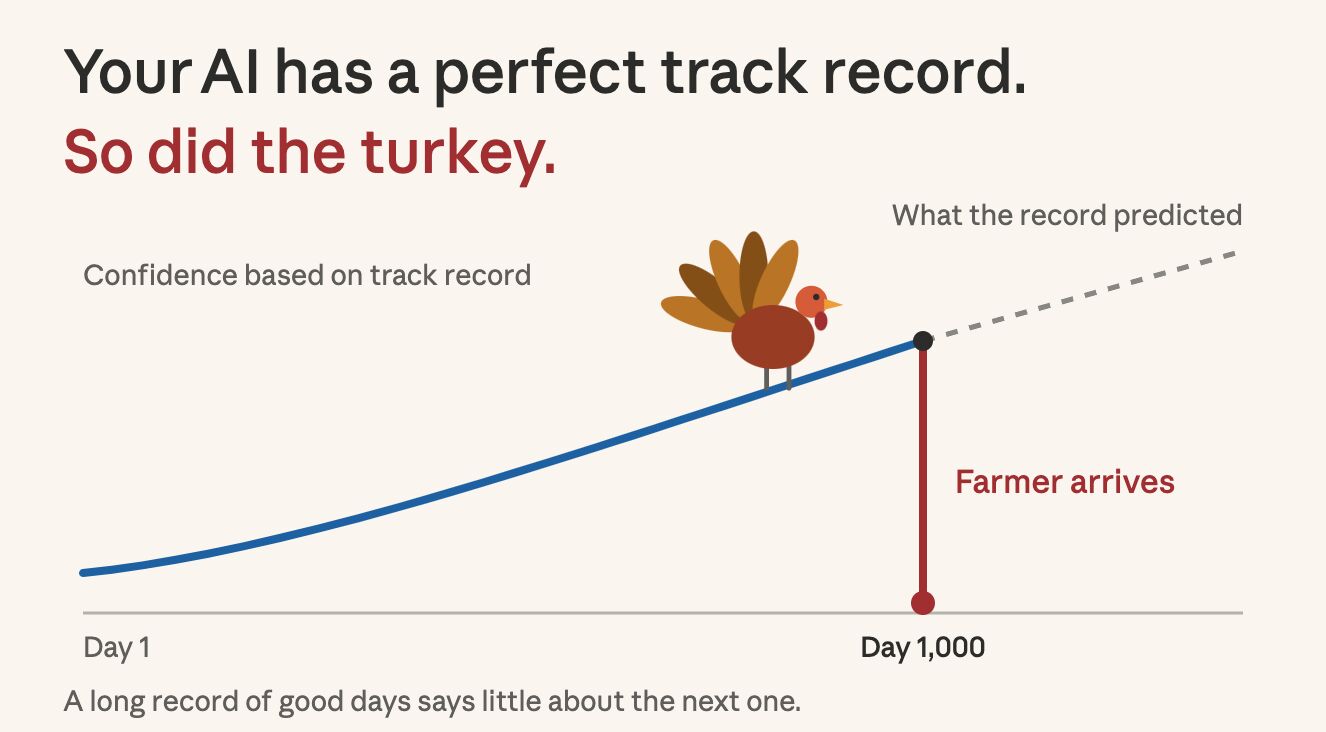
A long record of good AI days says little about the next one, so build controls that make being wrong cheap.
IKEA treated what happens to people whose work changes as a governance decision, and every organization needs a process for making that call.
AI GOVERNANCE FAQ
It’s a shared way of deciding how your business uses AI: which work and information are appropriate for it, what needs human review, and who is responsible. Codecision helps turn those expectations into practical policies and decision structures—not just rules that sit in a folder.
Yes. You don’t need an organization-wide AI rollout to begin. Individual employees may already be experimenting with tools. We start with how your team actually works and help establish shared expectations while leaving room to learn and experiment.
An assessment report provides a starting point. From there, we work with your teams on AI policies, responsibilities, and a documented decision structure: what AI can handle, where human judgment is required, and who is accountable. We discuss the scope of your engagement together.
No. Codecision works with leaders and teams on how humans and AI work together. Our focus is the policies, responsibilities, and decision structures around AI use—not selling you another AI tool.
No. Our work is about deciding deliberately how humans and AI work together. Human judgment is a design choice, not a fallback. The goal is clarity about what stays human and why.
LET’S TALK
Tell us what your people are trying, where work needs a closer look, or which decisions feel unclear. Let’s discuss a practical place to start.